Why AI Is the Secret Ingredient Every Nutritionist Should Know About
Last night, I had a counter full of squash — and honestly, I couldn’t tell you their names. But I knew I wanted to make dinner.
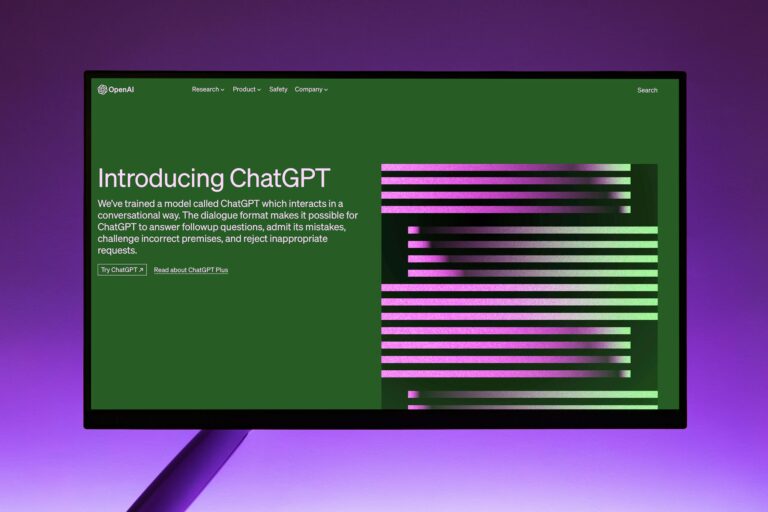
So I snapped a photo and asked ChatGPT what I was looking at and what I could make. Within seconds, it correctly identified each variety (kabocha, red kuri, delicata, and more) and suggested a rich, plant-based Creamy Red Curry Butternut & Kuri Soup — complete with garnish ideas and nutrition notes.
It turned into a gorgeous, nutrient-dense dinner that hit every mark: seasonal, simple, and ready in 35 minutes.
But the real story wasn’t the soup.
It was the realization that AI just did, in seconds, what many of our clients will soon try to do on their own.
⚙️ Why Nutritionists Need to Understand These Tools
AI isn’t coming for your job — it’s already in your clients’ kitchens. Whether or not you recommend it, people are using free tools like ChatGPT to plan meals, troubleshoot diets, and “research” health advice.
That means it’s on us, as practitioners, to understand how these tools actually perform:
- What they get right (identifying ingredients, generating balanced meal ideas)
- Where they fall short (factual accuracy, nuance, clinical safety)
- And how to frame their use responsibly
Because if we don’t, we risk letting clients outsource nutrition decisions to an algorithm that doesn’t know their biochemistry, health history, or lab data.
🧩 Experiment Before You Advise
Before offering opinions on AI, take ten minutes to test it yourself.
Try prompts like:
“Create a gluten-free dinner under 30 minutes using broccoli, quinoa, and canned salmon.”
“Give me a low-FODMAP vegetarian meal that fits a Mediterranean pattern.”
You’ll quickly see where it shines — and where it overpromises.
Take clear photos of a few items on your counter, and then a blurry one of the contents of your fridge. You’ll immediately understand why prompt quality and context matter.
That firsthand experience gives you the insight you need to guide clients intelligently: when to encourage experimentation, when to caution against it, and how to keep AI outputs aligned with evidence-based practice.
🧭 The New Competency
Being a great nutritionist in 2025 isn’t just about having more data or memorizing more pathways — it’s about staying literate in the tools your clients are already using.
AI won’t replace our depth of understanding in biochemistry, genomics, or systems biology. But it will change how information flows between practitioners and the public.
Our role is to stay one step ahead — to understand these technologies well enough to correct, contextualize, and guide their use responsibly.
That’s not just tech fluency. That’s modern clinical leadership.
If you enjoyed this post and haven’t yet subscribed to FxNutrition Intelligence, you can sign up here for free weekly insights.