FxNutrition Intelligence
Evidence-driven intelligence for functional nutrition practitioners
A Nutrishify publication • No. 44 • Week of November 13, 2026
|
|
In 41,074 adults, higher total vitamin D came with 11% lower odds of fatty liver. D2 did not. In soccer players, supplements raised blood levels without a clear performance gain. Plus: older vegetarians with in-range B12 still had lower hemoglobin.
Friday the 13th has a reputation, but there's no bad luck in this issue: just solid research, timely events, and an AI intern that asks permission before it does anything rash.
|
|
Evidence Spotlight
|
Vitamin D and fatty liver
In 41,074 adults at routine checkups in northern China, people with higher total vitamin D were less likely to have fatty liver (metabolic dysfunction-associated steatotic liver disease, or MASLD). One standard deviation higher meant 11% lower odds. D3 showed about 10% lower odds. D2 did not show a meaningful link.
The D3 result changes direction at a very low level, 14.32 ng/mL. Below that, each 1 ng/mL higher D3 came with about 2% higher odds of fatty liver. Above it, each 1 ng/mL higher came with about 2% lower odds. The authors found that bend in the data. It is not a target. This was one blood test, not a trial of vitamin D pills.
Takeaway: Higher D3 came with lower odds of fatty liver once the blood level was above a very low point. D2 did not show a meaningful link. That bend is not a number to aim for, and this study did not test a vitamin D pill.
|
In-range B12 and red cells
In 81 adults aged 65 or older, long-term lacto-ovo vegetarians whose B12 was still in the normal range (at or above 190 pg/mL) had fewer red cells than omnivores above that same cutoff. Hemoglobin was about 1.4 g/dL lower. Their red cells were also about 4 fL larger, and cell size varied more.
That comparison was 29 vegetarians and 24 omnivores. The authors say this is not a diagnosis of functional B12 deficiency.
Takeaway: A normal B12 level did not mean the same blood count in older vegetarians and older omnivores. The authors do not call that a functional B12 deficiency.
|
Vitamin D levels, not speed
A review of vitamin D trials in soccer and futsal players found that supplements raised blood levels of vitamin D. Jump, sprint, endurance, and strength did not clearly improve.
The review covered nine studies and 312 players. The authors rate the evidence as low, and lower still for sprint and endurance. They say it is not enough to claim vitamin D improves performance in these athletes.
Takeaway: Vitamin D supplements raised the blood level. They did not clearly help these players jump, sprint, last longer, or get stronger.
|
|
By The Numbers
11% lower
odds of fatty liver for each step up in total vitamin D.
A step means one standard deviation, in 41,074 adults at a checkup. D3 was about 10% lower odds. D2 was not.
|
|
|
Clinical Pearl
In-range B12, different red cells
Older lacto-ovo-vegetarians with serum B12 at or above 190 pg/mL had lower hemoglobin and a higher mean corpuscular volume than omnivores above the same cutoff. The authors say that pattern is not a diagnosis of functional B12 deficiency.
|
|
|
|
Recent Podcasts
|
He Built the “MRI for the Microbiome”. Now Everyone Can Access It.
The Root Cause Medicine Podcast – Rupa Health • November 12, 2026
Useful if clients ask what a newer microbiome report can and cannot say about food. Kate hosts Leo Grady, PhD, founder of Jona, on AI-assisted analysis he frames as an MRI for the microbiome, including shotgun sequencing and personalized nutrition. Listen →
|
#116 The Hype vs. Data on Saturated Fat, Red Meat, & Seed Oils | Dr. Dariush Mozaffarian
Found My Fitness – Dr. Rhonda Patrick • November 10, 2026
Useful when saturated fat, red meat, or seed oils show up in a visit. Dr. Rhonda Patrick interviews Dr. Dariush Mozaffarian on the data behind those foods, plus fiber and ultra-processed foods. Listen →
|
What Your GI Doctor May Not Tell You About Ulcerative Colitis with Chloe Melas & Judy Batalion
The Mind-Gut Conversation – Dr. Emeran Mayer • November 10, 2026
A good listen when ulcerative colitis clients want the food and stress context beside medical care. Dr. Emeran Mayer talks with Chloe Melas and Judy Batalion about diet, turmeric, a Mediterranean-style pattern, stress, and the microbiome. Listen →
|
Hormones & Bone Metabolism in Men: Testosterone, Estradiol & Osteoporosis Risk
DUTCH Podcast – Precision Analytical • November 10, 2026
Worth your time if male bone loss or glucagon-like peptide-1 (GLP-1) drugs are part of the caseload. Dr. Doug Lucas and Dr. Jaclyn Smeaton discuss osteoporosis in men, falling testosterone and estradiol, bone loss during GLP-1 weight loss, DEXA timing, and bone-turnover markers. Listen →
|
Menopause or Something Else? Brain Fog, Anxiety & Fatigue with Dr. Fran Haydanek
Unpaused Podcast – Dr. Mary Claire Haver • November 10, 2026
Useful if brain fog, anxiety, or fatigue might be the menopause transition rather than something else. Dr. Mary Claire Haver and OB/GYN Dr. Fran Haydanek talk through when those symptoms point to perimenopause, and when a history of premenstrual syndrome (PMS), premenstrual dysphoric disorder (PMDD), or postpartum depression raises the chance of depression in that transition. Listen →
|
The Most Published Naturopath On The Thyroid-Cholesterol Connection, Menopause & Muscles | Dr. JD McCoy
The Art of Being Well – Dr. Will Cole • November 9, 2026
Useful if thyroid, cholesterol, and muscle are showing up together in midlife clients. Dr. Will Cole and Dr. JD McCoy cover thyroid labs, the thyroid-cholesterol connection, iron, and muscle, along with menopause symptoms beyond hot flashes. Listen →
|
|
Mark Your Calendar
|
November 17
Beyond Conventional Biomarkers: Using Epigenetics to Personalize Patient Care
Webinar | PLMI | 5–7 PM PT | Register →
|
December 2
Wellness Wednesday Webinar: Functional Testing Workup for Preconception and Fertility Care
Webinar | Doctor's Data | 12 PM PT | Register →
|
December 8
Food as Medicine Made Real: What the Largest Trial of a Single Whole Food Means for the Future of Healthcare
Webinar | PLMI | 5–7 PM PT | Register →
|
|
Org/Industry Updates
|
Phlebotomy support ends
Boston Heart Diagnostics says November 13 is the last day of phlebotomy support, and December 11 is the last day specimens can be shipped. Read more →
|
CNS program rules change
The American Nutrition Association (ANA) is separating program accreditation from practitioner certification. Program coursework approval by the Board for Certification of Nutrition Specialists (BCNS) ends January 1, 2027, and the Accreditation Council for Nutrition Professional Education (ACNPE) takes on curriculum review, with later milestones through 2032. Read more →
|
|
Tech Tip
|
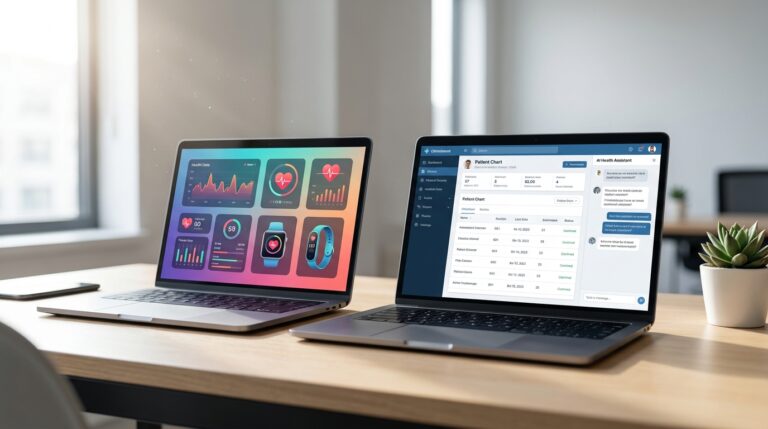
Meet Your New AI Intern
First came chatbots that answer questions. Then came AI agents that handle one task, like drafting follow-up emails.
The next level is the “super agent.” Think of a bright-eyed intern that doesn’t wait to be asked. It watches your inbox and calendar, works in the background, and comes back with a short list: here’s what needs you, and here’s a draft already started.
Three big companies launched one this fall. The biggest difference isn’t price. It’s the guardrails: who approves what the agent does.
|
Claude Duet Anthropic |
ChatGPT Dots OpenAI |
Meta Muse Meta |
| Built for |
Running a practice: email, calendar, follow-ups |
Ongoing projects and teams |
Personal errands: shopping, travel, bills |
| Cost |
Included with Claude Pro or Max (US only, waitlist) |
Included with ChatGPT Pro, from $100/mo |
Free to start; paid plans $20 and $100/mo |
| Guardrails |
Fixed: always asks you before sending, paying, signing or deleting |
You write the rules: what it does freely, what needs pre-approval, what it must ask about |
A second AI (“Sentinel”) checks its actions; you choose how much access each app gets |
| Watch out for |
Uses your regular Claude limits |
Rules are only as good as the ones you set |
Asks for wide access: email, calendar, payments and more |
Do this:
- Pick one and sign up: join the Claude Duet waitlist, turn on ChatGPT Dots (Pro plan), or create a free Meta Muse account.
- Set the guardrails first. In Dots, set anything that sends or spends to “ask before taking action.” In Muse, connect only the apps it needs, at the lowest access level.
- Start small. For the first week, use the daily morning summary and nothing else.
- Keep client health information out. Whether or not HIPAA applies to your practice, leave client records and client email out unless the company signs a BAA (a HIPAA privacy contract) that covers the tool.
Like any new intern, it’s eager, fast and sometimes wrong. Check its work, and it can save hours.
|
|
© 2026 Nutrishify · Questions or feedback? Email hello@nutrishify.com
|
|